
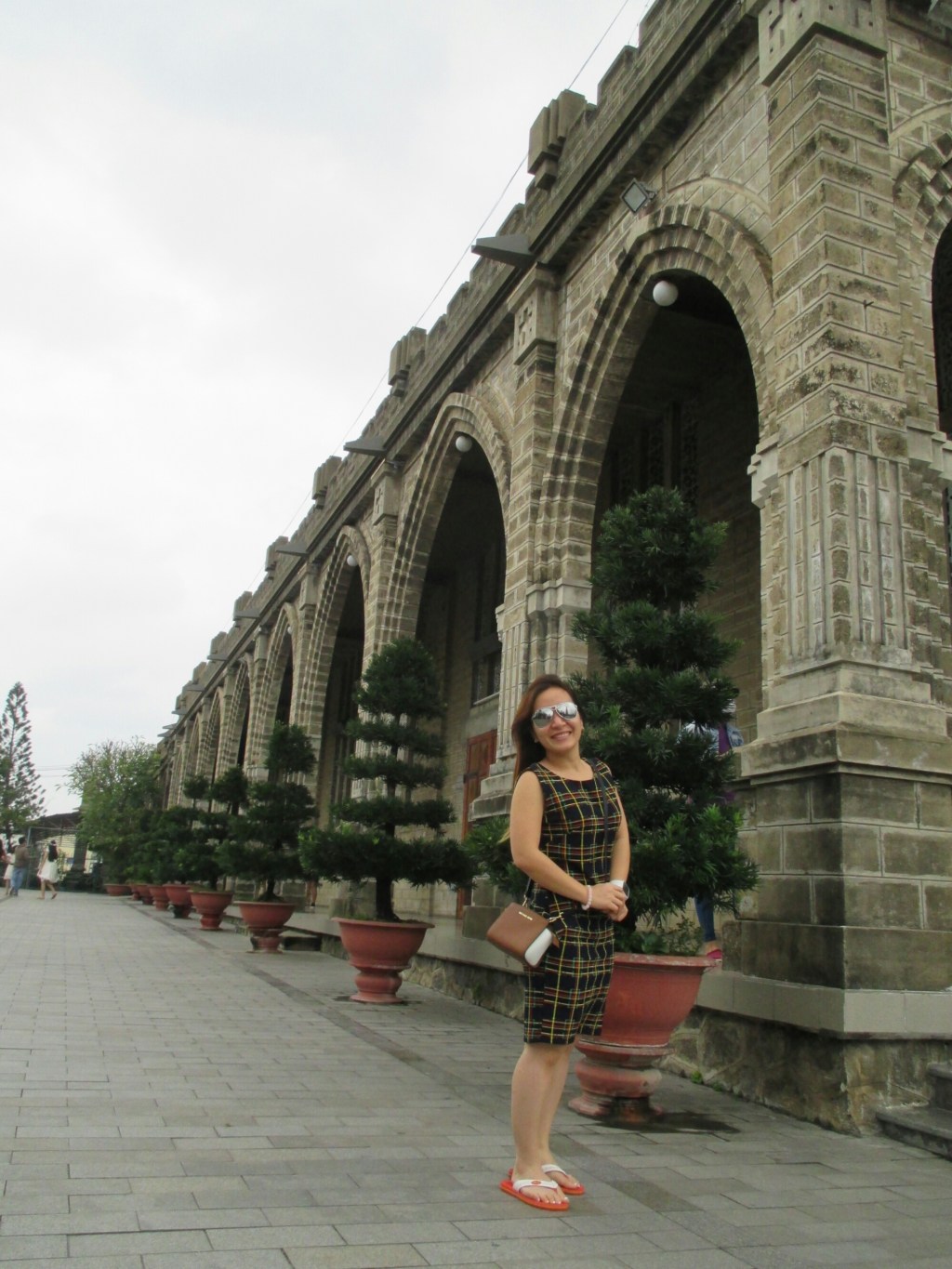
Nha Trang is Vietnam’s most famous seaside resort-town. It’s more lively and urban in character than other beach destinations like Mui Ne and Phu Quoc. It’s also the scuba diving center of Vietnam. You can take SNT train at soft seats level to get to Nha Trang in the most common way. It travels overnight and takes about 8 hours which saves you time to begin your exploration bright and sight in early morning.
There are a few spots you must go to once you are in town. Vin Pearl has never failed to be the modest resort island with unlimited access of white sand beach, clear green water, beautiful water park, the aquarium and all the theme park rides.
The island will give you the full experience of man-made intertwined with wildlife
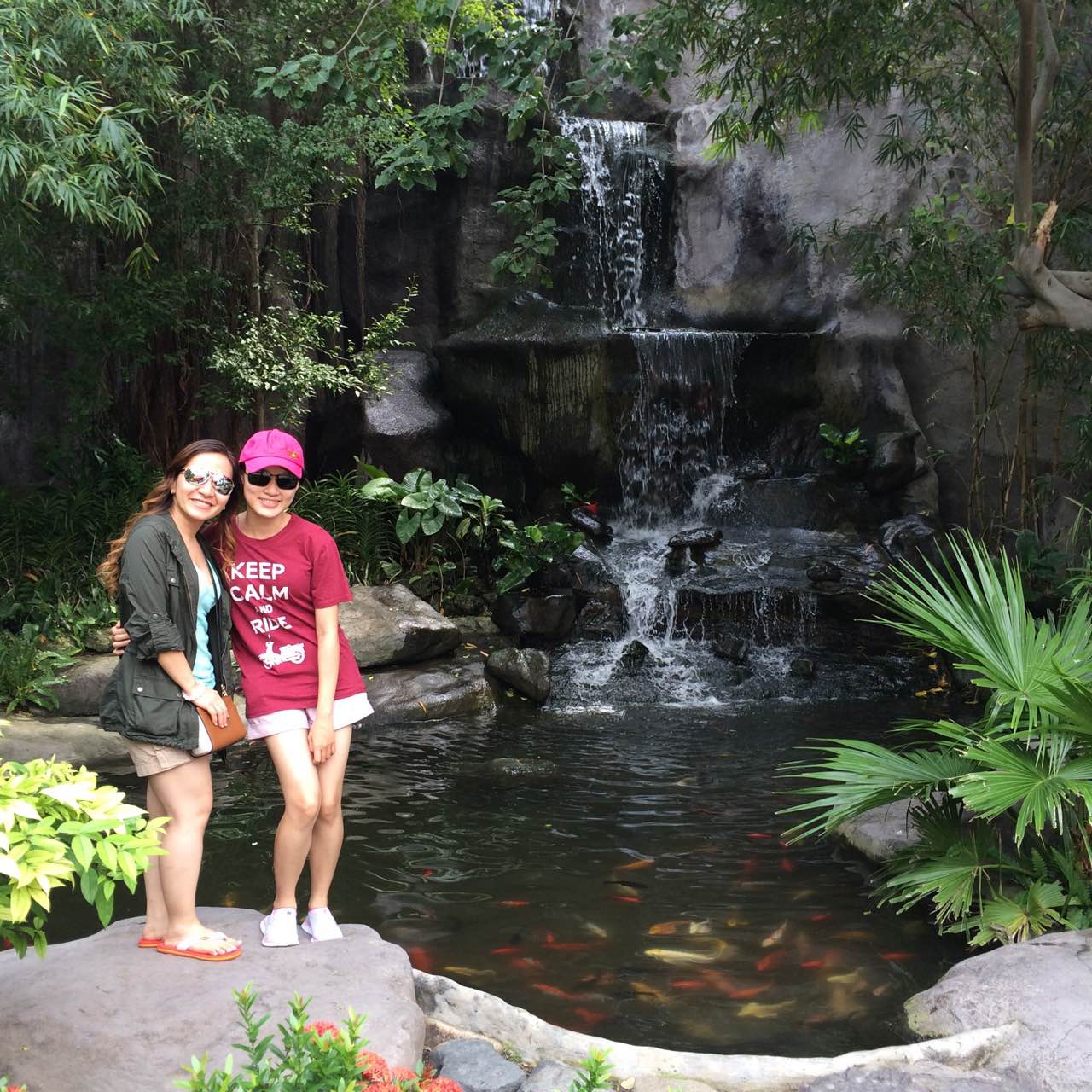

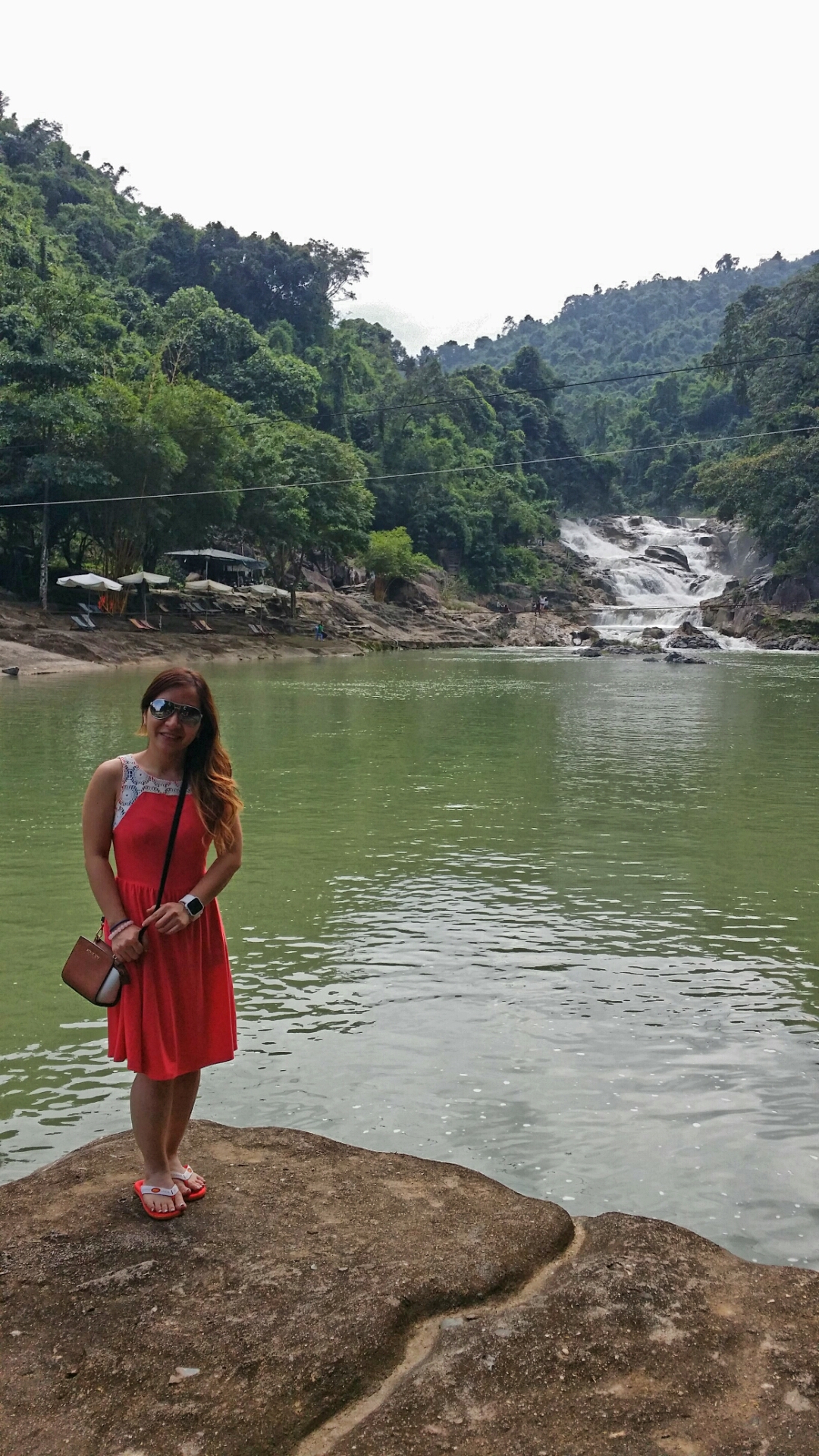
You should also stop by Yang Bay waterfall, 48 km from Nha Trang, consists of three sets of falls — Yang Bay, Yang Khang, and Ho Cho. It’s a well-developed tourist spot and a regular stop for Vietnamese on group tours, but it’s still worth seeking out on your own.
The grounds also feature two wildlife centres, which are larger (and more humane) than you might have experienced elsewhere in Vietnam. About 700 metres before the entrance to the park, there’s a right turn leading to the crocodile ponds — of course, crocs aren’t up to much when they aren’t feeding, and the ones here are only about a metre long, so don’t be too impressed. The other centre is inside the grounds — take a left after entering the gate. A sizable enclosure houses half-a-dozen Vietnamese bears. But bears are about as bad as crocodiles when it comes to lazing around and not doing much of anything.
Besides lazy crocodiles and bears, you can experience one of a kind orchids ride, pig race and bottle-feeding kois!!!

New year celebration can be so amazing and different fun, surrounding by all tourists (mostly Russians), dancing with live music and light effect show at Sailing Club.

Seafood pizzas and Smirnoff cocktails could not be a better combination with live up beat music and cool breeze of Pacific Ocean.

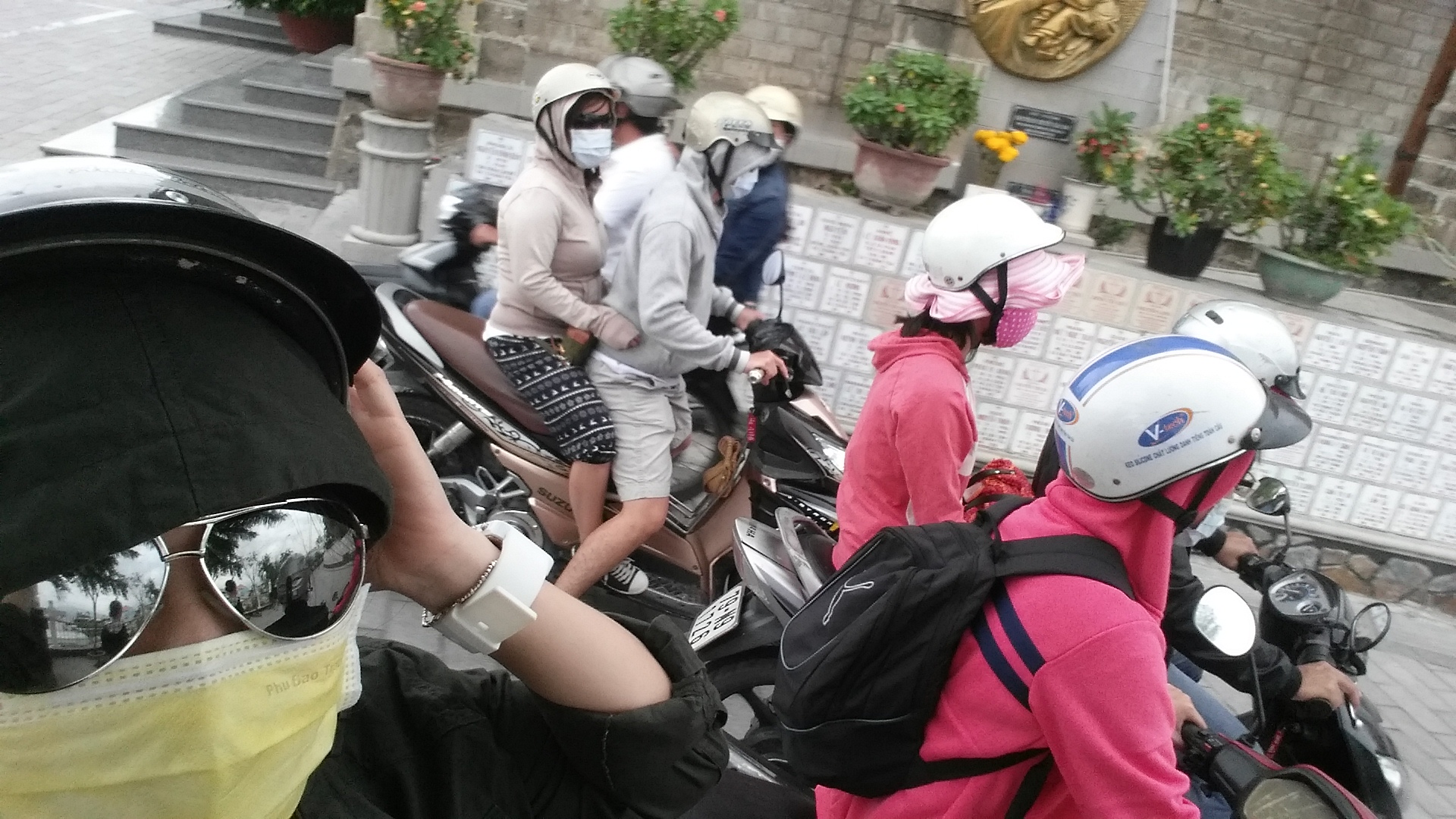
Nha Trang Cathedral Church located Hoàng Lân hill. The church has other significant names such as Nhà thờ Đá (Stone Church) or Nhà thờ Núi (Hill Church) because of where and how the church was located and built.

The priest Louis Vallet started the contruction on September 3rd 1928 and completed on May 1933. In order to create the flat platform foundation, they have to use 500 bombs. The church has a very unique architecture with hexigon bricks stacking up and secured the structure with bamboo tree and steel. The interior walls were decorated with glass art telling stories about Holy Jesus.

Another well known spot for all travelers is Thap ba Po Nagar. The Po Nagar complex is situated on Cù Lao Mountain. It consists of three levels, the highest of which encompasses two rows of towers. The main tower is about 25 m high.
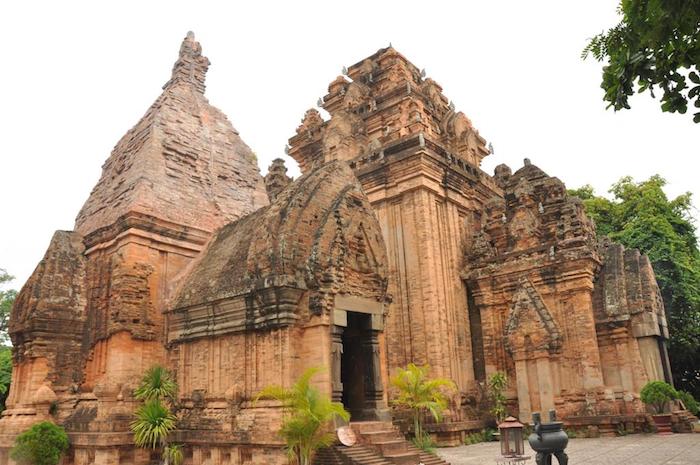
The largest, which is 23m high, was built in 817 AD and contains a linga and a statue dedicated to Ponagar, who is said to have taught new agricultural and weaving techniques to people of the area. In gratitude they have built the complex to honour the Goddess. The central tower is in honour of Cri Cambhu who blesses devotees with fertility, ence childless couples often visit and pray there. The North West tower is in honour of Sanhaka, a wood cutter and foster father to Ponagar. The tower in the south was dedicated to Ganeca, the daughter of Ponagar.
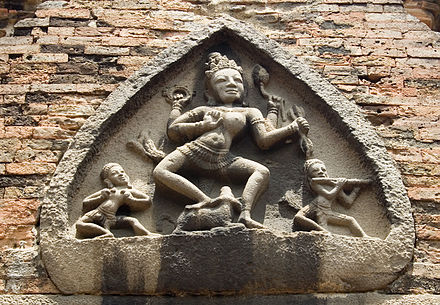
Above is a picture of Durga, the slayer of the buffalo-demon, which is represented on the pediment above the entrance to the temple.
The temple’s central image is a 1.2m tall stone statue of the goddess Yan Po Nagar sitting cross-legged, dressed only in a skirt, with ten hands holding various symbolic items. According to Vietnamese scholar Ngô Vǎn Doanh, these attributes show that Yan Po Nagar was identified also with the Hindu goddess Mahishasuramardini ( also caller Thiên Y Thánh Mẫu) or Durga, the slayer of the buffalo-demon. Another sculpture of the goddess as Mahishasuramardini may be found in thepediment above the entrance to the temple: it depicts the four-armed goddess holding a hatchet, a lotus and a club, and standing on a buffalo. This sculpture belongs to the Tra Kieu style of Cham art from the end of the 10th century or the beginning of the 11th century.
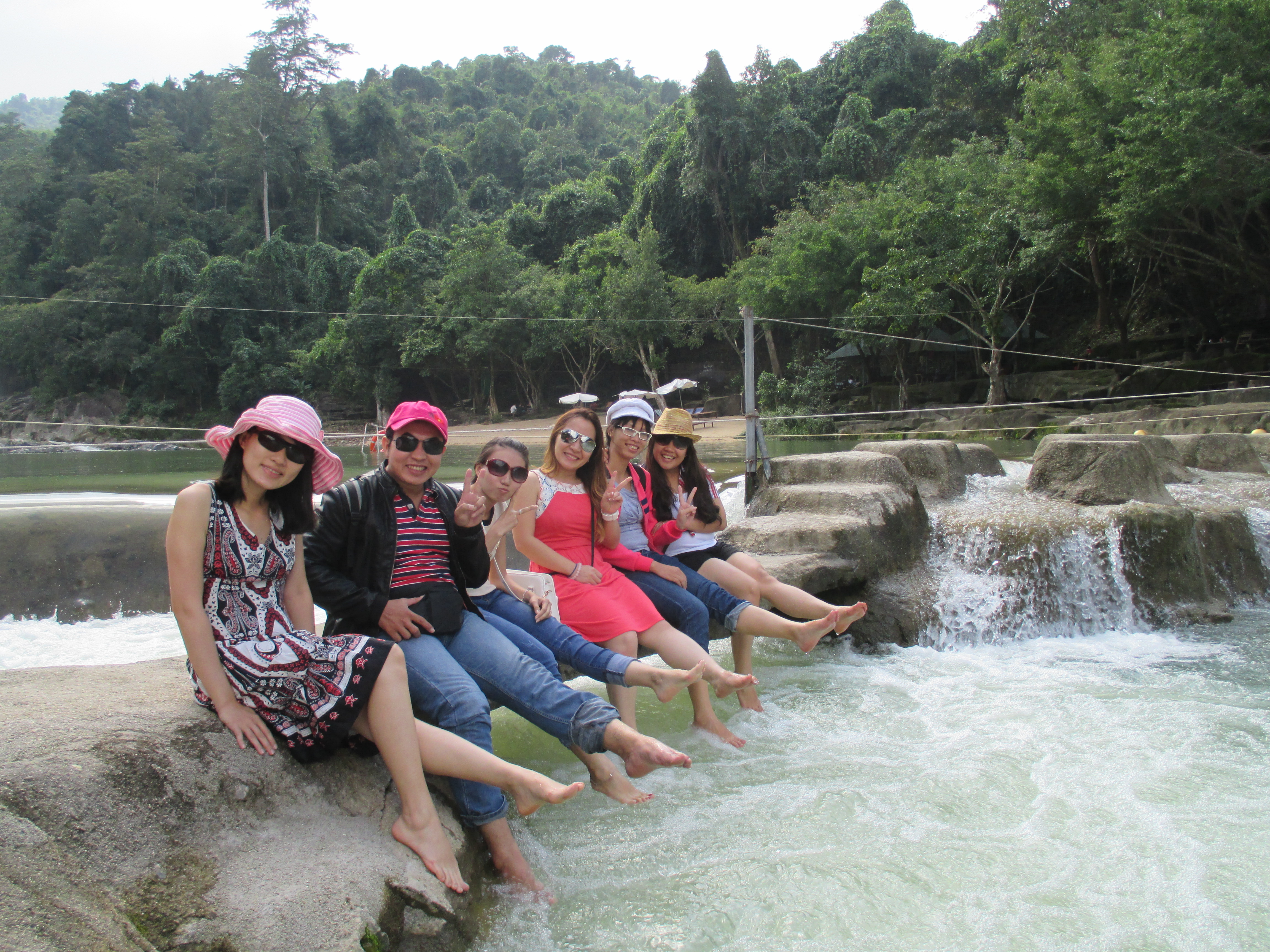
The 10th Highschool reunion trip has turned into a memorable one with full nature and culture adventure. See you next time!!!!
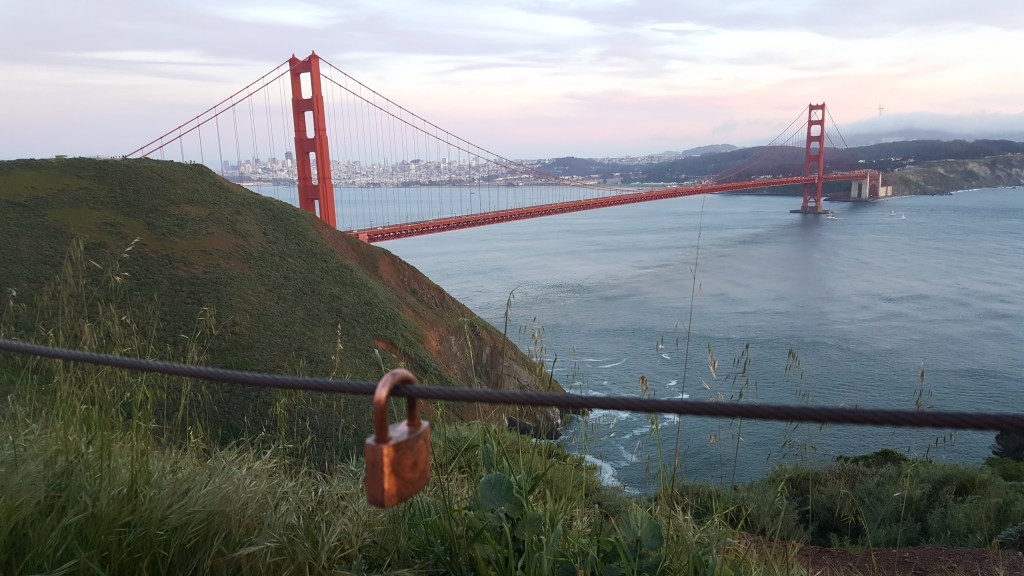


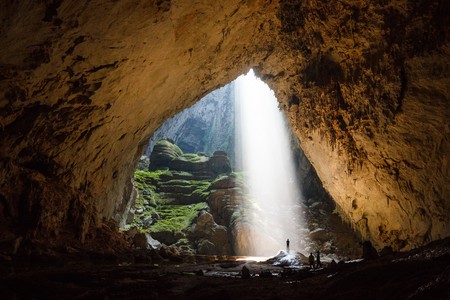
 May Your Search Though Nature ... Lead You To Yourself
Leave a comment